
Explore Categories

The Gift of Self-Care: Recovery in the Holiday Season (Video)
This webinar will share how to craft a recovery plan for this season utilizing mindfulness, self-compassion, connection, communication, and self-care strategies.
In the Media | Eating Disorder Clinics are Helping Patients of Color Break Down Barriers
People of color are half as likely as white people to be diagnosed or receive treatment for an eating disorder. The Renfrew Center’s Paula Edwards-Gayfield shares what Renfrew is doing to make treatment more accessible and inclusive for BIPOC individuals. Renfrew alum, Aja P. discusses his recovery journey before and after Renfrew.

Eating Disorders in the Military: What You Need to Know
Serving in the military while struggling with an eating disorder can be a dangerous combination. Here’s what it means for active servicemembers & veterans.

Eating Disorders in Middle Age: Types, Risks & Treatment Options
Midlife eating disorders present unique risks and symptoms for aging adults. Here’s a basic introduction to what you need to know.

In the Media | AI Generated Images Another Potential Social Media Hazard
AI generated images and filters can be a fun new feature. However, these images can also have detrimental effects on our body image. Dr. Sam DeCaro, joins CBS New York discuss it and offers tips on how to have a healthier relationship with social media.

7 Reasons to Attend Renfrew’s In-Person Conference
The Renfrew Center Foundation Conference is where eating disorder treatment professionals unite in person to share innovative research and strategies.

Pregnancy & Eating Disorders: A Tangled Web
What happens when eating disorders and pregnancy overlap? We look at the data, risk factors and complications.

The Renfrew Center Publishes Groundbreaking Virtual and In-Person Outcome Data in Prestigious Journal, European Eating Disorder Review
Renfrew’s Research and Training Departments have published another ground-breaking article in a highly prestigious, peer-reviewed journal.
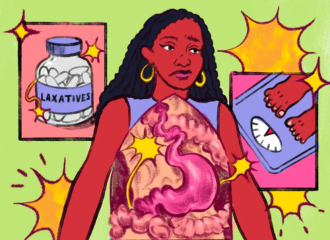
In the Media | Your ‘hot girl stomach issues’ might be caused by damaging diet culture, experts say
The phrase “hot girls have stomach issues” has gained popularity in recent months, but many experts believe these jokes are a result of diet culture. Research shows that 42% -98% of patients in eating disorder treatment have GI issues. The Renfrew Center’s, Erin Birely, LCPC, joins experts to discuss.
Reach Out to Us
Talk with a Program Information Specialist at the number above to learn more about our
services and to schedule an assessment. Or, fill out the information below and we will contact you.
By providing your phone number, you consent to be contacted by The Renfrew Center by phone and, if needed, by text message to follow up on your inquiry. Message & data rates may apply; frequency varies. Reply STOP to opt out and HELP for more information. For more details, please review our Privacy Policy.