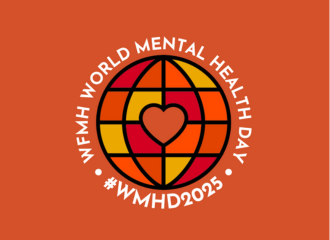
World Mental Health Day is observed each year on October 10 to raise awareness about important mental health issues affecting individuals, families, and communities around the world. This year’s theme, “Lived Experiences Heard: Real Voices, Real Change,” highlights the power of listening to those with firsthand experience navigating mental health challenges. By amplifying authentic voices and creating space for open conversations, we can reduce stigma, foster understanding, and inspire meaningful change in how mental health is perceived, discussed, and supported.
For individuals affected by eating disorders and other mental health conditions, feeling heard can be a critical part of the healing process. Sharing stories of resilience, hope, and recovery not only validates lived experiences but also helps others feel less alone and more empowered to seek support.
Eating Disorders and Mental Health
Eating disorders, which include conditions like anorexia nervosa, bulimia nervosa, and binge eating disorder, significantly impact individuals’ mental and physical well-being. World Mental Health Day serves as a vital reminder of the importance of raising awareness about mental health issues, including eating disorders. This day encourages open conversations, education, and support to reduce stigma and provide resources for those affected by these disorders.
By addressing eating disorders within the broader context of mental health, we can work towards fostering a more empathetic and informed society that promotes overall well-being for everyone.
Mental Health Resources
- National Alliance on Mental Illness (NAMI): NAMI provides advocacy, education, support and public awareness so that all individuals and families affected by mental illness can build better lives.
- Mental Health America (MHA): MHA is the nation’s leading community-based nonprofit dedicated to addressing the needs of those living with mental illness and promoting the overall mental health of all.
- NoStigmas: NoStigmas is a safe space for mental health advocates, survivors, loved ones, and Allies to connect through honest conversations grounded in lived experiences.
- Project HEAL: Project HEAL’s programs break down systemic, healthcare, and financial barriers that millions of people in the U.S. face when trying to heal from their eating disorder.
- Eating Disorder Hope: EDH is an online community that offers resources, education, support, and inspiration to those struggling with anorexia nervosa, bulimia nervosa, binge eating disorder, body image issues, and a myriad of other disordered eating behaviors.
- National Alliance for Eating Disorders (The Alliance): The Alliance is the leading national non-profit organization providing education, referrals, and support for all individuals experiencing eating disorders, as well as their loved ones.
- National Association of Free & Charitable Clinics (NAFCC): NAFCC operates community-based, non-profit, volunteer-supported free clinics serving the people without or with little health insurance.
- Hotlines:
- 988 Suicide & Crisis Lifeline: Call or Text 988
- Crisis Text Line: Text HOME to 741741
- Substance Abuse & Mental Health Services Administration: 1-800-662-4357
Resources for the BIPOC Community
- Asian Mental Health Collective: AMHC aspires to make mental health easily available, approachable, and accessible to Asian communities worldwide.
- Melanin & Mental Health: Melanin & Mental Health connect individuals with culturally competent clinicians committed to serving the mental health needs of Black & Latinx/Hispanic communities.
- National Queer and Trans Therapists of Color Network: NQTTCN is a healing justice organization that works to transform mental health for queer and trans people of color.
- Therapy For Black Girls: Therapy for Black Girls is an online space dedicated to encouraging the mental wellness of Black women and girls.
- Loveland Foundation: The Loveland Foundation is committed to showing up for communities of color in unique and powerful ways, with a particular focus on Black women and girls.
- Black Emotional and Mental Health (BEAM): BEAM is a national training, movement building, and grant making institution that is dedicated to the healing, wellness, and liberation of Black and marginalized communities.
- Latinx Therapy: Founded in 2018 with the mission to destigmatize mental health in the Latinx community.
- South Asian Mental Health Initiative and Network: SAMHIN, was formed in 2014 to address a broad range of mental health needs of the growing South Asian community in the United States.
- Renfrew Blogs:
Resources for the LGBTQIA+ Community
- Trans Lifeline: Trans Lifeline is a grassroots hotline and microgrants 501(c)(3) non-profit organization offering direct emotional and financial support to trans people in crisis – for the trans community, by the trans community.
- The Trevor Project: The Trevor Project is a nonprofit organization that provides crisis intervention and suicide prevention services to LGBTQ community.
- Pride Counseling: Pride Counseling provides a platform for the LGBTQ community to get the help they need affordably and conveniently.
- Renfrew Blogs:
- Hotlines:
- Trans Lifeline: 877-565-8860
- LGBT National Hotline: 888-843-4564
- National Coalition of Anti-Violence Programs: 212-714-1141
- LGBT National Youth Talkline: 800-246-7743
Resources for Students
- Active Minds: Active Minds supports mental health awareness and education for students by promoting mental health via peer-to-peer dialogue and interaction.
- To Write Love on Her Arms: TWLOHA is a non-profit movement dedicated to presenting hope and finding help for people struggling with depression, addiction, self-injury, and suicide.
- Renfrew’s College Resource Center
- Renfrew Blogs:
- Eating Disorders in College: Why Are Students Especially Vulnerable?
- College and Eating Disorders: Adjusting to Campus Life
- Eating Disorder Recovery at College: 10 Tips for Staying on Track [UPDATED]
- Eating Disorders in College Athletes: 10 Warning Signs & 10 Actionable Tips
- Eating Disorder Recovery During Summer Break: 7 Useful Tips for College Students
- Eating Disorders in Teens: Everything You Should Know
Renfrew Support Groups
- Adult Connections: A Renfrew Support Group
Meets on the 1st and 3rd Wednesday of each month.
12:00 pm – 12:45 pm (ET) • Ages 25+ - BIPOC Support Group
Meets on the 2nd and 4th Monday of each month.
6:00 pm – 6:45 pm (ET) • Ages 18+ - Care & Connections: A Renfrew Group for Support Persons
Meets on the 2nd and 4th Wednesday of each month.
4:00 pm – 4:45 pm (ET) • Ages 18+ - College & Young Adult Support Group
Meets weekly on Tuesdays.
3:30 pm – 4:15 pm (ET) • Ages 18 – 24 - Sexuality and Gender Equality (SAGE) Support Group
Meets weekly on Wednesdays.
5:00 pm – 6:00 pm (ET) • Ages 18+
Conclusion
Remember that seeking help and support is a sign of strength, and there is no one-size-fits-all solution for everyone. It’s important to find resources and approaches that resonate with your personal needs and preferences. If you or someone you know is struggling with mental health issues, reaching out to a qualified mental health professional is always recommended.
Have a resource to share with us? Contact [email protected] to let us know!