
Explore Categories
Virtual Alumni Reunion: Empowering Recovery Through Connection
The Renfrew Center invites you to join us at our Annual Alumni Reunion, held virtually this year! Connection is a fundamental human need. Experiencing connection with others empowers us to seek out more connections, enabling us to overcome challenges and enact positive change in our lives. In the journey of recovery, connection is essential for…
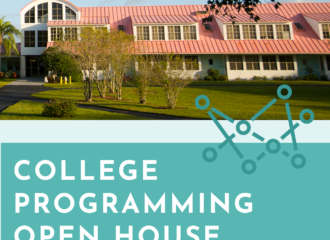
Virtual College Programming Open House
Attendees will need access to wi-fi, and a device with a camera, microphone and audio capabilities. We know that supporting patients’ individualized goals and needs is of the utmost importance in eating disorder treatment. The Renfrew Center of Florida has integrated specialized college programming into its residential care allowing students to stay enrolled in school…

Comfortably Uncomfortable: Continuing the Conversation
Attendees will need access to wi-fi, and a device with a camera, microphone and audio capabilities. Our discussions on diversity, equality and inclusion in the treatment of eating disorders, which has occurred as a part of the last few Renfrew Center Foundation Conferences, were so inspiring and motivating that we’ve made the decision to continue…
Leaning into Vulnerability: Navigating Communication in Recovery
Communication is the foundation of all human connection. We communicate through our clothes, our facial expressions, our voice, and other nonverbal cues. Communication gets complicated when people interpret language, tone, gestures, or ideas differently. Messages sent between us are meant to illuminate how we are feeling or what we need. However, they may not land…
Reclaiming Movement: Finding Balance with Exercise in Recovery
Exercise can be a major challenge for those in recovery. Whether you are seeking to enjoy movement for the first time, or your relationship with exercise as been excessive or compulsive as a result of your eating disorder, you may wonder how to engage with exercise in the recovery process. This webinar will review guidelines…
When the Solution Becomes the Problem: Avoidance in Trauma and Eating Disorders
Attendees will need access to wi-fi and a device with audio capabilities. About the Training Sufferers of eating disorders and trauma tend to engage in eating pathology to avoid the emotions associated with their trauma. By directly targeting experiential avoidance, clinicians can guide clients to recovery and sustainable change. This seminar will provide attendees with…
In Sickness and In Health: Romantic Relationships in the Context of Eating Disorders Treatment
It is common for people to struggle with anxiety, acceptance and self-esteem while navigating dating and relationships. Even more so for those with eating disorders, the complexities of managing relationships while struggling with food and body image can be challenging, not only for the client but for the treating clinician as well. This presentation will…
Comfortably Uncomfortable: Continuing the Conversation
Attendees will need access to wi-fi, and a device with a camera, microphone and audio capabilities. Our discussions on diversity, equality and inclusion in the treatment of eating disorders, which has occurred as a part of the last few Renfrew Center Foundation Conferences, were so inspiring and motivating that we’ve made the decision to continue…
Progress Not Perfection: Finding Self-Compassion in Recovery
Perfectionism often serves as the false promise and harmful belief that if we are perfect, then maybe we won’t have to feel shame and pain. However, this false promise fails to recognize the reality that perfection does not exist, and shame and pain are natural parts of life. This webinar will explore perfectionism and shame,…
Reach Out to Us
Talk with a Program Information Specialist at the number above to learn more about our
services and to schedule an assessment. Or, fill out the information below and we will contact you.
By providing your phone number, you consent to be contacted by The Renfrew Center by phone and, if needed, by text message to follow up on your inquiry. Message & data rates may apply; frequency varies. Reply STOP to opt out and HELP for more information. For more details, please review our Privacy Policy.