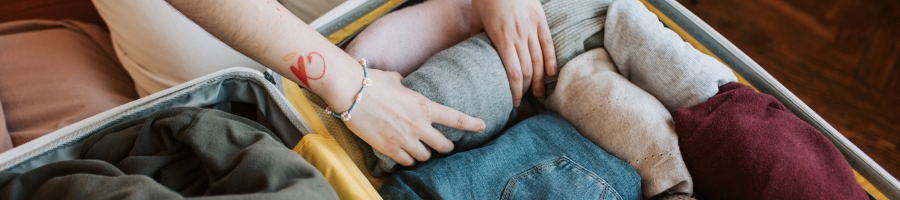
Entering residential treatment for an eating disorder is a courageous step toward healing. As you prepare, it’s natural to wonder what you’ll need to bring to residential eating disorder treatment—and just as important, what you should leave at home. Whether you’re preparing for your first day or supporting someone who is, packing thoughtfully can help you feel more comfortable while ensuring your stay supports recovery.
Below, we’ve outlined common guidelines for what to bring and what to avoid. Every treatment center may have its own rules, so always check with your admissions team before arriving.
About Renfrew’s Residential Treatment Centers
The Renfrew Center is one of the most established residential eating disorder treatment providers in the United States, with a focus on compassionate, evidence-based care. Within a supportive community of adolescents, adults, and professionals, individuals in residential treatment are encouraged to lean into challenging emotions rather than using eating disorder symptoms to avoid or cope with them.
Where They Are Located
Renfrew operates two dedicated residential inpatient campuses:
- Philadelphia – Spring Lane, PA
Nestled on a serene, 27-acre wooded estate about 10 miles from Center City, this site provides a quiet, home-like environment for recovery. It offers 24/7 medical monitoring, individual sessions with a multidisciplinary treatment team, group therapy, tailored meal plans, expressive arts therapies, ARFID programming, and specialized support for co-occurring challenges such as trauma and substance use. - Coconut Creek, FL
Renfrew’s second residential campus continues the tradition of nurturing, comprehensive, and individualized residential care. It offers the same 24/7 medical monitoring, individual sessions with a multidisciplinary treatment team, group therapy, tailored meal plans, expressive arts therapies, ARFID programming, and specialized support for co-occurring challenges such as trauma and substance use as Spring Lane. In addition, Coconut Creek offers a specialized College Program at this residential campus to help students balance academics and recovery, with designated study hours, workstations, collaboration spaces, and coordination with each student’s college or university.
LISTEN NOW: All Bodies. All Foods. Episode 29: All About the Levels of Care
What To Bring To Residential Eating Disorder Treatment
Here are a few items that can help you feel settled, supported, and comfortable during your stay. You don’t need to bring everything – just what feels helpful to you. Small, familiar comforts can go a long way as you begin this next step in your recovery.
- iPad, Kindle, E-reader, Laptop
- All electronic devices must not have a camera, recording capabilities, or Wi-Fi connectivity.
- For iPads and laptops, these items are permitted for use when approved by/distributed by staff for Education Support or Renfrew’s College Program.
- Protective cases and sleeves are encouraged.
- MP3 Player
- Devices must not have a camera, recording capabilities, or Wi-Fi connectivity.
- Listening to your favorite songs can be grounding, validating, and even inspirational during treatment.
- Art Supplies
- Washable markers, crayons, and colored pencils can be used to express and process emotions, reduce stress, or simply pass the time.
- Properly labeled and non-expired prescription and OTC medications, medical supplies, and equipment.
- Clear water bottles without straws
- Comfortable, everyday clothes
- Casual wear, leggings, jeans, sweaters, jackets, sneakers, etc.
- Journals or books
What Not To Bring
To protect your recovery and maintain a safe environment for everyone, some items are best left at home. These guidelines are in place to support your wellbeing, as well as the safety and privacy of the entire community. Packing with these limits in mind helps ensure your time in residential treatment is focused and productive.
- Fire and smoke items
- Candles or matches.
- Alcohol, drugs, or products representing alcohol or drugs.
- Smartwatches and fitness trackers
- Including Fitbits, Apple Watches, or similar tracking devices.
- Sharp objects
- Safety pins, tacks, sewing needles, or other sharp items.
- Electrical items
- String lights, electric blankets, or heating devices.
Final Tips
- Pack light. Bring only what makes you feel comfortable and supports your healing.
- When in doubt, ask. Our admissions team can clarify what’s allowed.
- Focus on recovery. The goal isn’t to replicate the world outside, but to create a safe, healing environment where you can learn new skills, break unhelpful patterns, and gradually build resilience to life’s triggers.
Conclusion
Packing for treatment is just one small part of your recovery journey. Although this task can sometimes feel emotional and overwhelming, you’re not alone as you prepare. Remember: you don’t need to bring everything listed. Simply consider packing what helps you feel grounded and creates a sense of familiarity in this next chapter. By leaving behind items that may interfere and bringing those that offer comfort, you’re setting yourself up for a more focused, secure, and supportive experience. Remember: you’re not expected to arrive perfectly prepared. Your treatment team will be there to support you every step of the way. It takes courage to prioritize yourself, so give yourself credit for reaching out and showing up.
The Renfrew Center provides compassionate care for all bodies. Contact us today to get started.