Binge-eating disorder (BED) is the most common eating disorder, yet research examining outcomes in specialized residential treatment remains limited. Continued research is critical to understanding what supports recovery and helping healthcare professionals, patients, and families make informed treatment decisions.
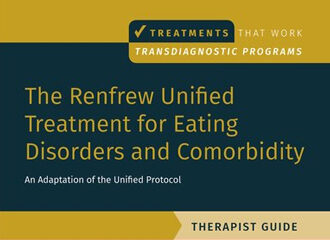
Published in the International Journal of Eating Disorders, The Renfrew Center’s latest peer-reviewed study examined outcomes among adults with binge-eating disorder who received residential treatment utilizing the Unified Treatment Model for Eating Disorders® (UTM). Researchers evaluated changes in eating disorder symptoms, binge-eating frequency, anxiety, and depression to better understand outcomes during treatment and six months after discharge.
The Study at a Glance
Researchers analyzed outcomes among 168 adults diagnosed with binge-eating disorder who received residential treatment at The Renfrew Center between 2017 and 2024.
Participants completed standardized assessments at:
- Admission
- Discharge
- Six-month follow-up
Researchers evaluated changes in:
- Eating disorder symptoms
- Binge-eating frequency
- Anxiety
- Depression
What the Study Found
Meaningful change occurred during treatment.
Participants experienced significant improvements across all primary outcomes.
- Binge-eating episodes decreased by 86% during treatment
- Significant improvements in eating disorder symptoms, anxiety, and depression occurred between treatment admission and six-month follow-up.
- Depression remained significantly improved from treatment discharge to six months, a notable finding given its common co-occurrence with binge-eating disorder.
These findings demonstrate meaningful improvements across both eating disorder symptoms and commonly co-occurring mental health concerns.
Many improvements continued beyond discharge.
- Binge-eating episodes remained 62% lower than admission levels
- Eating disorder symptoms remained significantly improved
- Anxiety remained significantly improved
Although some symptoms increased modestly after discharge, participants continued to experience significantly better outcomes than at admission.
Depression improvements remained stable.
Unlike some symptoms that showed modest increases after discharge, improvements in depression were maintained six months later. Because depression commonly co-occurs with binge-eating disorder, this finding offers important insight into how improvements in emotional well-being may be sustained following residential treatment.
Why This Research Matters
Addresses an important gap in the research.
This study expands the evidence on residential treatment outcomes for binge-eating disorder, an area where published research remains limited.
Demonstrates improvements across multiple measures.
Participants experienced meaningful improvements in eating disorder symptoms, binge-eating frequency, anxiety, and depression.
Builds on Renfrew’s growing body of research.
The findings add to Renfrew’s peer-reviewed outcomes research examining the Unified Treatment Model for Eating Disorders® across eating disorder diagnoses and populations.
Our Commitment to Research
For more than four decades, research has been an important part of The Renfrew Center’s work. Through ongoing outcomes research and peer-reviewed publication, we continue to evaluate our treatment, strengthen patient care, and contribute to the broader understanding of eating disorders.
Longitudinal Residential Eating Disorder Treatment Outcomes for Binge-Eating Disorder When Using the Unified Treatment Model
International Journal of Eating Disorders